
About QosequTM
Indications have been granted on the basis of similarity between QosequTM and the reference biologic drug PROLIA®.
QosequTM is used for :
- for the treatment of osteoporosis (thinning and weakening of the bone) in women after menopause who:
– have an increased risk for fractures or;– cannot use other osteoporosis medicines, or other osteoporosis medicines did not work well.
- to increase bone mass in men with osteoporosis at high risk for fracture.
- to increase bone mass and possibly reduce fractures that occur when medication to reduce testosterone levels are taken for the treatment of prostate cancer that has not spread to other parts of the body (nonmetastatic).
- to increase bone mass in women who are receiving certain treatments for breast cancer, which has not spread to other parts of the body (nonmetastatic) and at high risk of fracture.
- to increase bone mass to treat osteoporosis in both women and men at high risk for fracture related to the use of corticosteroid medicines, such as prednisone.
If you require clarification, do not hesitate to consult your healthcare provider.
What is the prevalence of osteoporosis? 2
Approximately 2 million Canadians, including both men and women, suffer from osteoporosis.
Individuals aged 50 and older are predominantly impacted by this condition.
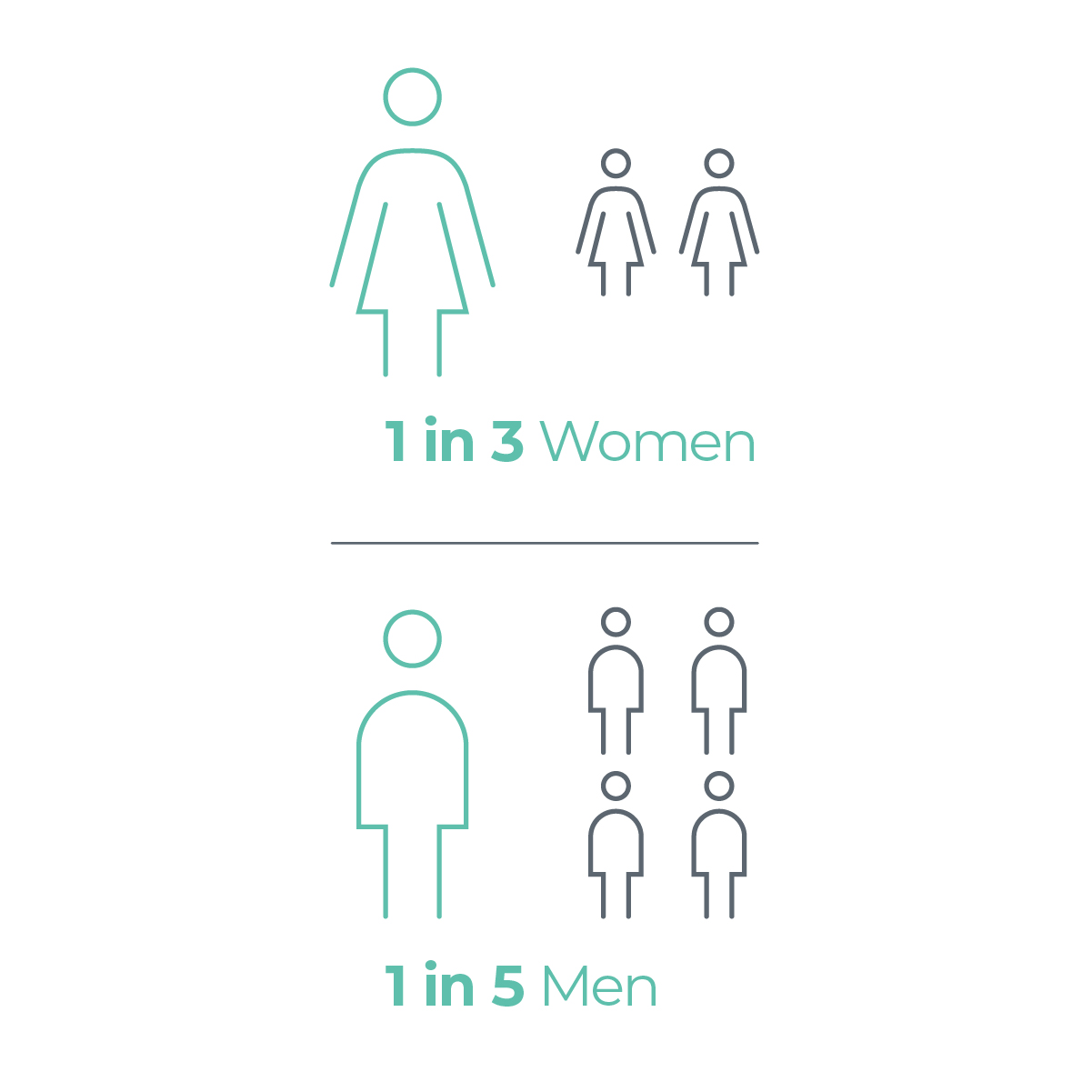
Moreover, at least one in every three women and one in every five men will endure an osteoporosis-related fracture during their lifetime.
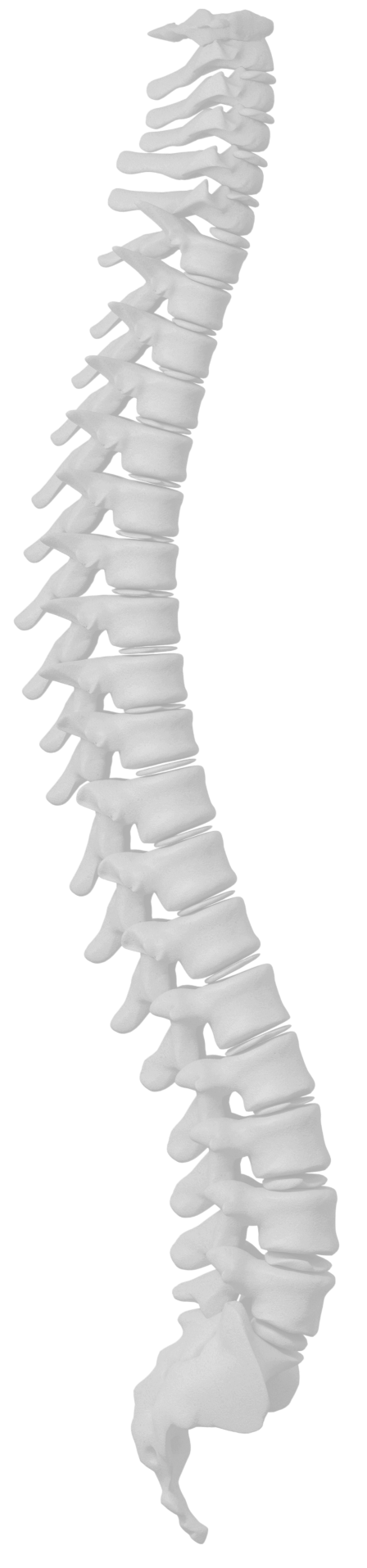
QosequTM works differently than other osteoporosis medications. It is a RANK ligand inhibitor. RANK ligand is a protein which activates the cells that break down bone (osteoclasts). QosequTM blocks RANK ligand to stop the cells that break down bone. This action strengthens your bones by increasing bone mass and lowers the chance of breaking bones of the hip, spine, and nonspinal sites.
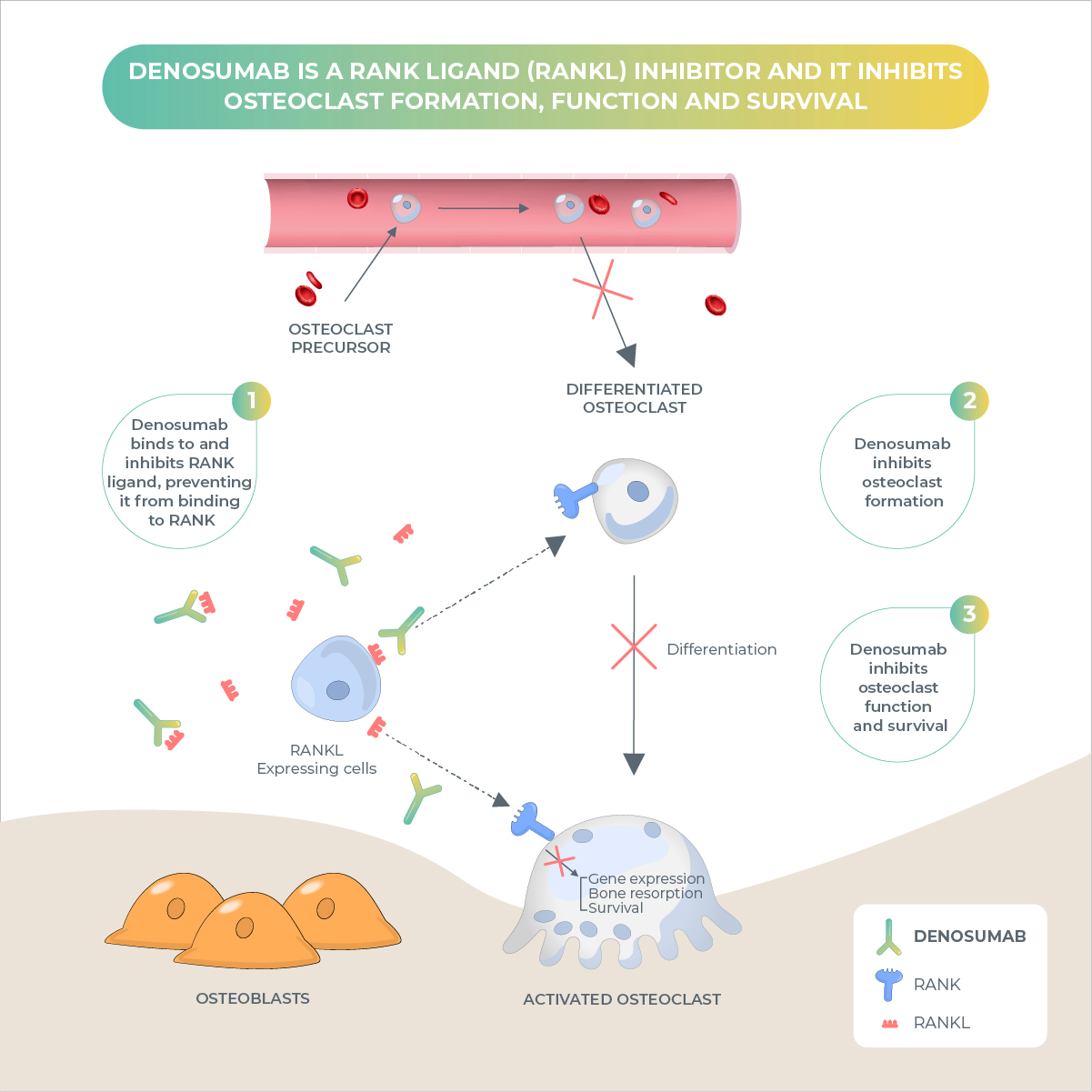
Figure 1. Mechanism of Action of Denosumab on Bone Metabolism. (adapted from Miyazaki et al. 2014).2
Notes: Denosumab (a fully human monoclonal anti-RANKL antibody) binds to osteoblast-produced RANKL, thereby preventing RANKL from binding to the osteoclast receptor, RANK. By preventing RANKL from binding to RANK, there is less osteoclast genesis and bone-resorbing activity so that bone resorption is markedly suppressed.
Abbreviations:
RANK: receptor activator of nuclear factor-κB;
RANKL: receptor activator of nuclear factor-κB ligand.
QosequTM is administered as a single injection under the skin (subcutaneous) every 6 months. The injection can be in your upper arm, upper thigh, or abdomen. It can be given any time, with or without food, by a healthcare professional, by a trained injector, or a patient may self-inject if a healthcare professional determines that is appropriate.
Your prefilled syringe may be left outside the refrigerator to reach room temperature (up to 25°C) before injection. This will make the injection more comfortable. See instructions for injection.
Keep all medicines, including QosequTM, away from children.
Do not share QosequTM with others, even if they have a similar disease.
For detailed guidance on self-administering QosequTM, please CLICK HERE to access patient information regarding the self-injection technique. Additionally, you can view the instructional self-injection video below.

The usual dose of QosequTM is 60 mg administered once every 6 months. You should also take supplements of calcium and vitamin D.
If you miss a dose, you should receive your next dose as soon as convenient. Schedule your next dose 6 months from the date of your last injection.
To avoid forgetting your next dose, QosequTM is provided with a reminder card, available as a peel off sticker on the syringe tray. When getting your QosequTM injection, you can remove the reminder card from the syringe tray, write the date of your next dose (i.e., 6 months later), and keep the reminder card somewhere safe.
Additionally, to support you throughout your treatment, we have set up a patient support program. This program will allow you to receive appointment reminders for your QosequTM injections, for example.
Find out more about our program by visiting the MantrAssistance website and registering today.
QosequTM should be taken according to your doctor’s recommendations.
Do not use QosequTM if you:
- are allergic to denosumab or any other ingredient of QosequTM. Allergic reactions (e.g., rash, hives, or in rare cases, swelling of the face, lips, tongue, throat, or trouble breathing) have been reported.
- have low calcium levels in your blood (hypocalcemia).
- are less than 18 years of age.
- are pregnant or breastfeeding.
- are a woman before menopause (unless you have been diagnosed with breast cancer or are taking QosequTM for the treatment or prevention of osteoporosis related to the use of corticosteroid medicines.
- are currently taking other denosumab-containing medicinal products.
- do not have access to a health professional or trained injector.
Other warnings you should know about:
- If you are being treated with QosequTM, you should not be taking other denosumab-containing medicinal products or vice versa.
- There is an increased risk of skin infection (cellulitis) with QosequTM therapy, most commonly on the leg. See a doctor urgently if you develop swollen, red, hot or painful skin, with or without fever.
- You should take calcium and vitamin D supplements as recommended by your healthcare professional.
Please note that the pre-filled syringe does not contain natural rubber latex.
Understanding your health condition is crucial for adopting beneficial practices and habits that promote overall well-being. Taking a proactive approach to managing osteoporosis is vital for effective treatment.
To assist you in proactively managing your osteoporosis, consider exploring the “Managing everyday life with osteoporosis” section.
Before taking OlsyaTM, tell your healthcare professional about all the medicines you take, including any drugs, vitamins, minerals, natural supplements or alternative medicines.
Talk about any health conditions or problems you may have, including if you:
- have low blood calcium.
- cannot take daily calcium and vitamin D.
- had parathyroid or thyroid surgery (glands located in your neck).
- have been told you have trouble absorbing minerals in your stomach or intestines (malabsorption syndrome).
- have kidney problems or are on kidney dialysis.
- have ever had an allergic reaction to QosequTM.
- plan to have dental surgery or teeth removed.
- have a history of cancer.
- are pregnant or could become pregnant.
Like all medicines, QosequTM can cause side effects, although not everybody gets them. Possible side effects include:
- pain, sometimes severe, in the muscles, joints, arms, legs or back.
- low blood calcium (hypocalcemia). Symptoms of low blood calcium may include muscle spasms, twitches, cramps, numbness or tingling in fingers, toes or around the mouth.
- allergic reactions (e.g., rash, hives or, in rare cases, swelling of the face, lips, tongue, throat, or trouble breathing).
- allergic reaction that can damage blood vessels, mainly in the skin (e.g., purple or brownish-red spots, hives or skin sores).
- severe allergic reaction (drug reaction with eosinophilia and systemic symptoms [DRESS] syndrome) with skin rash/blisters, fever and/or increase in a type of white blood cell (eosinophils) with possible organ damage, such as liver, kidney, or lung.
- skin condition with itching, redness and/or dryness (eczema). Injection site reactions were uncommon.
- rash that may occur on the skin, or sores in the mouth (lichenoid drug eruption).
hair loss (alopecia). - skin infection with swollen, red area of skin, that feels hot and tender and may be accompanied by fever (cellulitis).
- common cold (runny nose or sore throat).
- broken bones in the spine after stopping QosequTM (multiple vertebral fractures).
Tell your doctor right away if you have symptoms of infection, including:
- fever or chills.
- skin that looks red, swollen, hot or tender to touch.
- severe abdominal pain.
- frequent or urgent need to urinate or burning feeling when you urinate.
Tell your doctor if you have any of the following symptoms of skin problems that do not go away or get worse:
- redness.
- itching.
- rash.
- dry or leathery skin.
- open, crusted or peeling skin.
- blisters.
Please note that these are not all the possible side effects you may have when taking QosequTM. If you experience any side effects not listed here, tell your healthcare professional.
After your treatment with QosequTM is stopped, it is possible that broken bones in your spine may occur, especially if you have a history of broken bones in the spine.
Do not stop taking QosequTM without first talking with your doctor. If your QosequTM treatment is stopped, discuss other available treatment options with your doctor.
After you start QosequTM:
- Take good care of your teeth and gums, and see your dentist regularly.
- If you have a history of dental problems (such as poorly fitting dentures or gum disease), see your dentist before starting QosequTM.
- Tell your dentist that you are taking QosequTM, especially if you are having dental work.
A dental condition called osteonecrosis of the jaw (ONJ), which can cause tooth and jawbone loss, has been reported in patients treated with denosumab. The risk of ONJ may increase with length of time on QosequTM.
Tell your doctor and dentist immediately about any dental symptoms, including pain or unusual feeling in your teeth or gums, or any dental infections.
You can report any suspected side effects associated with the use of health products to Health Canada by:
- Visiting the Web page on Adverse Reaction Reporting for information on how to report online, by mail or by fax; or
- Calling toll-free at 1-866-234-2345.
NOTE: Contact your healthcare professional if you need information about how to manage your side effects.
The Canada Vigilance Program does not provide medical advice.
First, ensure that your QosequTM treatment is kept out of the sight and reach of children.
The product must be stored in the refrigerator at 2°C to 8°C in its original packaging and taken out 30 minutes before the injection. Let it reach room temperature (up to 25°C) before use.
DO NOT freeze QosequTM.
When removed from the refrigerator, QosequTM must be kept at room temperature (up to 25°C) in the original carton and must be used within 30 days.
Do NOT leave the QosequTM prefilled syringe in direct sunlight and do NOT expose it to temperatures above 25°C.
Do NOT shake the prefilled QosequTM syringe.
Do NOT use the QosequTM prefilled syringe if the expiration date printed on the label has passed the last day of the month shown.
QosequTM (denosumab) falls under the category of biosimilars. But what exactly does that entail?
You’re likely familiar with generic drugs, which are exact chemical copies of the original drug. A biosimilar, on the other hand, is a biological duplicate of an original biologic drug, often referred to as the reference biologic.
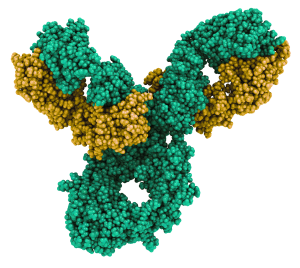
To be more precise, a biosimilar is a type of biological drug crafted from proteins synthesized in a laboratory using living cells. A biosimilar closely resembles the characteristics of the reference molecule, a conformity that undergoes rigorous establishment and approval processes regulated by Health Canada.
If you would like to find out more about the transition from biologics to biosimilars, we recommend that you read this information document.

The MantrAssistanceTM* Support Program
by Mantra Pharma
Sign up now for the MantrAssistanceTM support program to receive QosequTM injection reminders from a nurse.
MantrAssistanceTM is our platform that integrates all patient support services.