
Managing everyday life with osteoporosis
Osteoporosis Canada® released its latest recommendations in October 2023.
This update includes 25 recommendations, and 10 best practices aimed at optimizing bone health and preventing fractures in postmenopausal women and men aged 50 and over.
In this section, you’ll find these recommendations and best practices organized into two distinct categories:
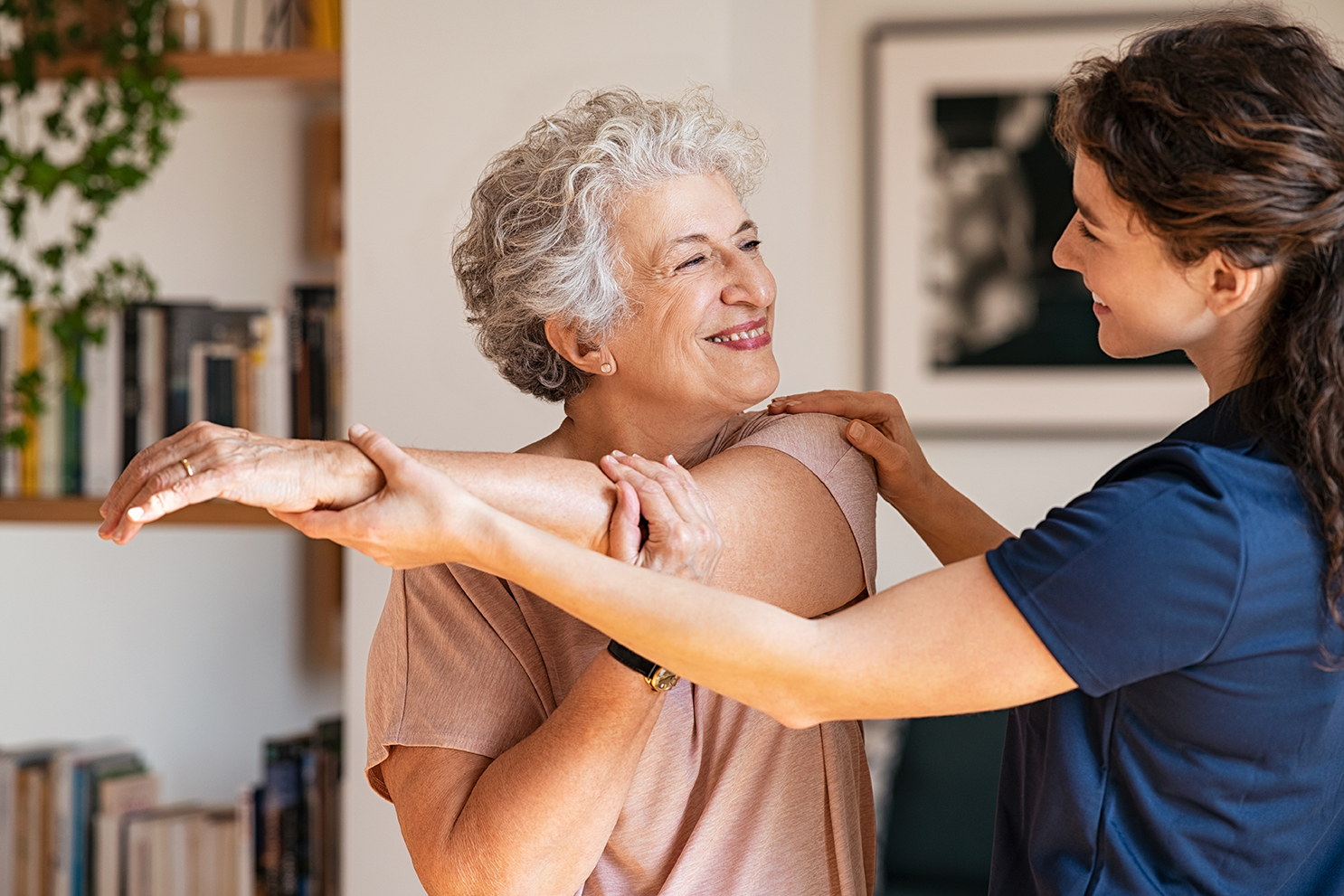
Physical exercise >
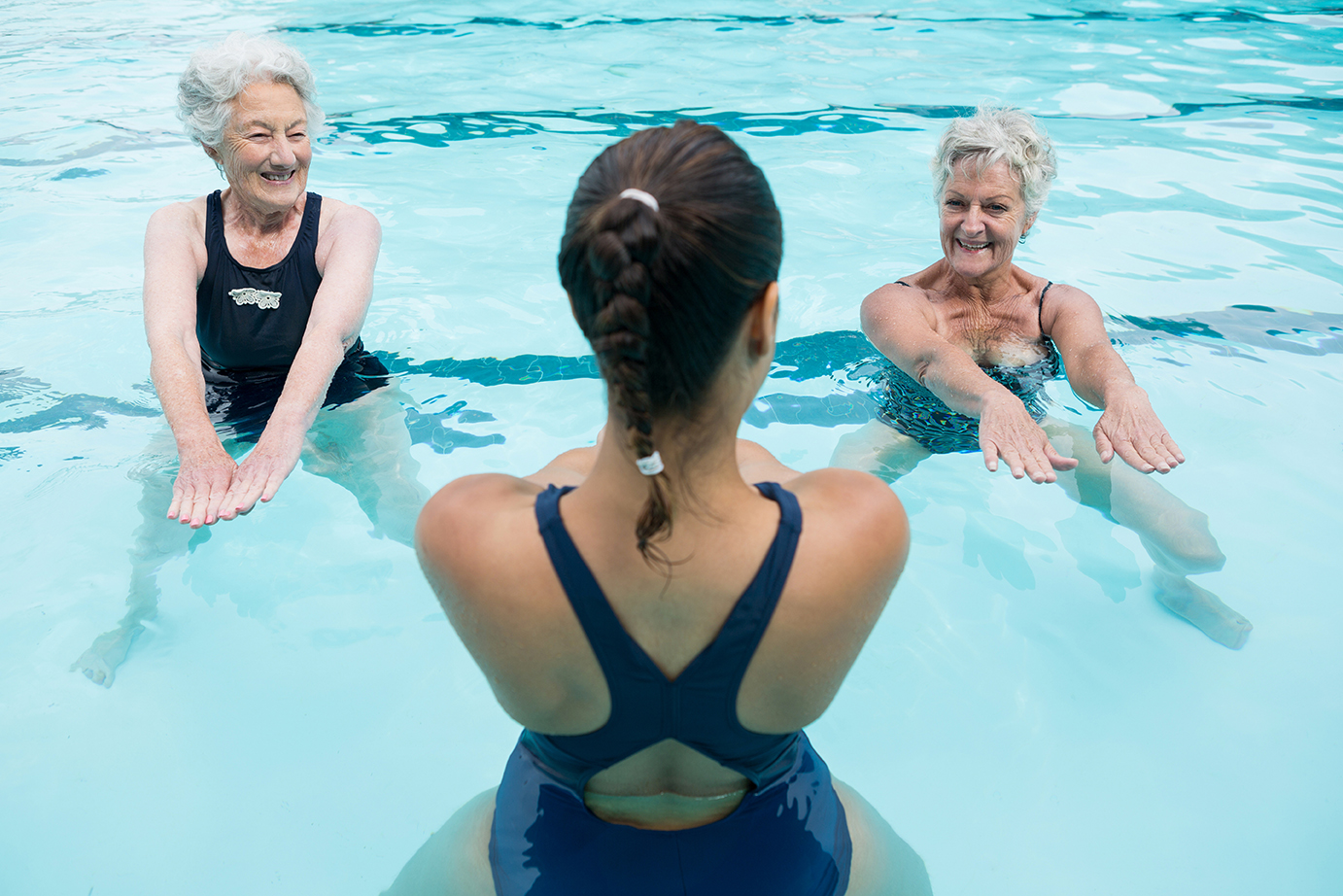
Nutrition >
Exercise and Nutrition:
Essential recommendations
To help reduce the risk of falls and fractures, regular physical activity and a well-balanced diet are essential.
Exercise Recommendations
Why exercise? Exercise has been proven to be an effective way to improve your bone mineral density (BMD)1.
1. Functional and Balance Training
Engaging in functional and balance training at least twice a week can help reduce the risk of falling. Over time, you can gradually increase the challenge by adjusting the pace, volume (sets and repetitions), or resistance.
Here are a few examples of balance exercises:
- Shifting your body weight to the limits of stability
- Reacting to destabilizing stimuli
- Maintaining balance while in motion (e.g., practicing Tai chi, performing heel raises, engaging in agility training)
- Decreasing your base of support (e.g., balancing on one foot)
Functional exercises play a crucial role in enhancing your ability to carry out daily tasks and participate in recreational or fitness activities. Consider incorporating the following recommended exercises into your routine:
- Chair stands to improve your sit-to-stand ability
- Stair-climbing to simulate hiking and build endurance
2. Progressive Resistance Training (Strength Training)
Engage in progressive resistance training at least twice per week. This form of exercise involves applying resistance to major muscle groups. To execute progressive resistance exercises effectively, consider incorporating:
- Squats
- Lunges
- Push-ups
Gradually increase the volume, frequency, or difficulty of these exercises over time.
3. Other Physical Activities
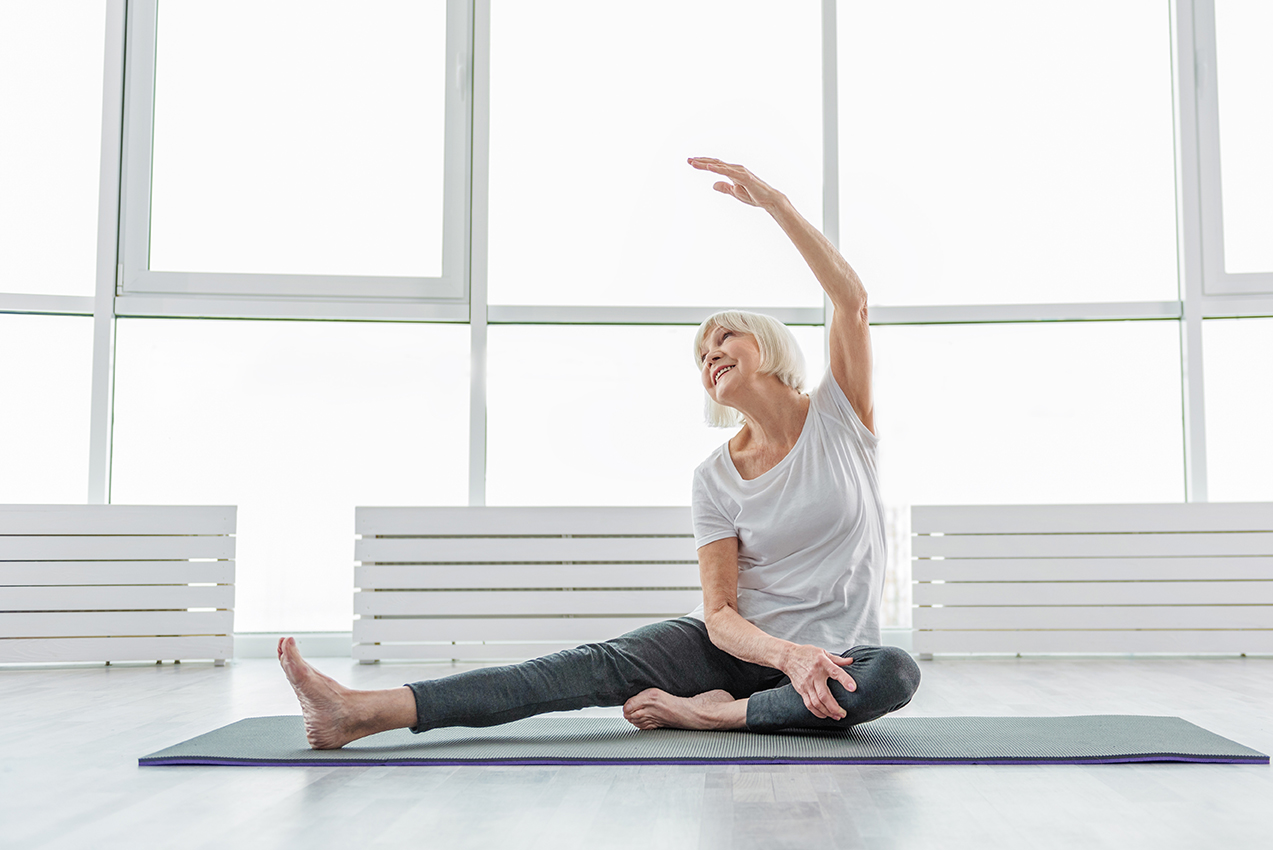
In addition to balance, functional, and progressive resistance training, consider engaging in activities like walking, impact exercises, yoga, and Pilates.
However, ensure that these activities are safe for you. If needed, modify them to mitigate any risks.
Before engaging in impact exercises, it’s advisable to consult a healthcare professional to assess their suitability for your individual circumstances.
Important
Exercises involving spine activity should be modified, especially if you have a high risk of fracture.
If possible, please seek advice from exercise professionals or refer to Osteoporosis Canada resources.
Nutrition Recommendations
Getting enough calcium and vitamin D is essential for maintaining healthy bones.
Calcium and vitamin D are essential for bone health. Recommended daily intake ranges from 1,000 to 1,200 mg of calcium and 600 to 800 IU of vitamin D, depending on age. If your diet provides enough calcium, supplements are generally not needed to prevent fractures, unless your intake is low.
Meeting these recommendations helps maintain good bone density and reduces the risk of fractures.

1. Calcium
Health Canada recommends a daily calcium intake of 1000 mg for men aged 51 to 70 years, and 1200 mg for women over 50 and men over 70 years old.
Meeting these recommendations through diet alone eliminates the need for calcium supplementation to prevent fractures. However, if you fall short of these targets, consider starting calcium supplementation.
2. Vitamin D
Health Canada recommends a daily intake of 600 IU of vitamin D for individuals aged 51 to 70 years, and 800 IU for those over 70 years old.
To meet these guidelines, it’s advisable to consume foods rich in vitamin D and consider a daily supplement of 400 IU if you’re over 50. For individuals at high risk of vitamin D deficiency, additional supplementation may be necessary.
Following Canada’s Food Guide typically provides adequate protein, vitamin K, and magnesium, negating the need for supplementation in these areas.
Explore Our Patient Ressources
Explore a variety of documents and websites designed to answer your questions about osteoporosis, bone health, physical activity, and nutrition.